- 86-311- 88895945
- rainwears@163.com


- Home

- news
Men's Waterproof Rain Jackets: Reliable Protection Against Rain and Wind
A high-quality rain jacket is an essential garment for men who need reliable protection from wet weather. Whether commuting to work, walking outdoors, traveling, or participating in outdoor activities, wearing a waterproof jacket helps keep clothing dry and improves comfort when rain begins unexpectedly. Modern rain jackets combine functional waterproof materials with practical designs, allowing users to stay protected without sacrificing mobility or style.
Choosing the right men's rain jacket waterproof option involves more than looking for a water-resistant outer surface. Effective rain protection depends on the quality of the fabric, seam construction, zipper design, cuffs, hood, and overall fit. A jacket may repel light showers but still allow water to enter during prolonged rainfall if its seams and openings are not properly protected. For people who frequently face wet weather, selecting a garment designed for dependable waterproof performance is especially important.
Today's men's rain coats & jackets are available in different lengths, materials, colors, and styles to suit various needs. Some feature lightweight synthetic fabrics for everyday convenience, while others use PVC or rubberized coatings to provide a more substantial barrier against water. From long hooded jackets to transparent rainwear, understanding the features of each design can help buyers find the right balance of protection, comfort, durability, and appearance.
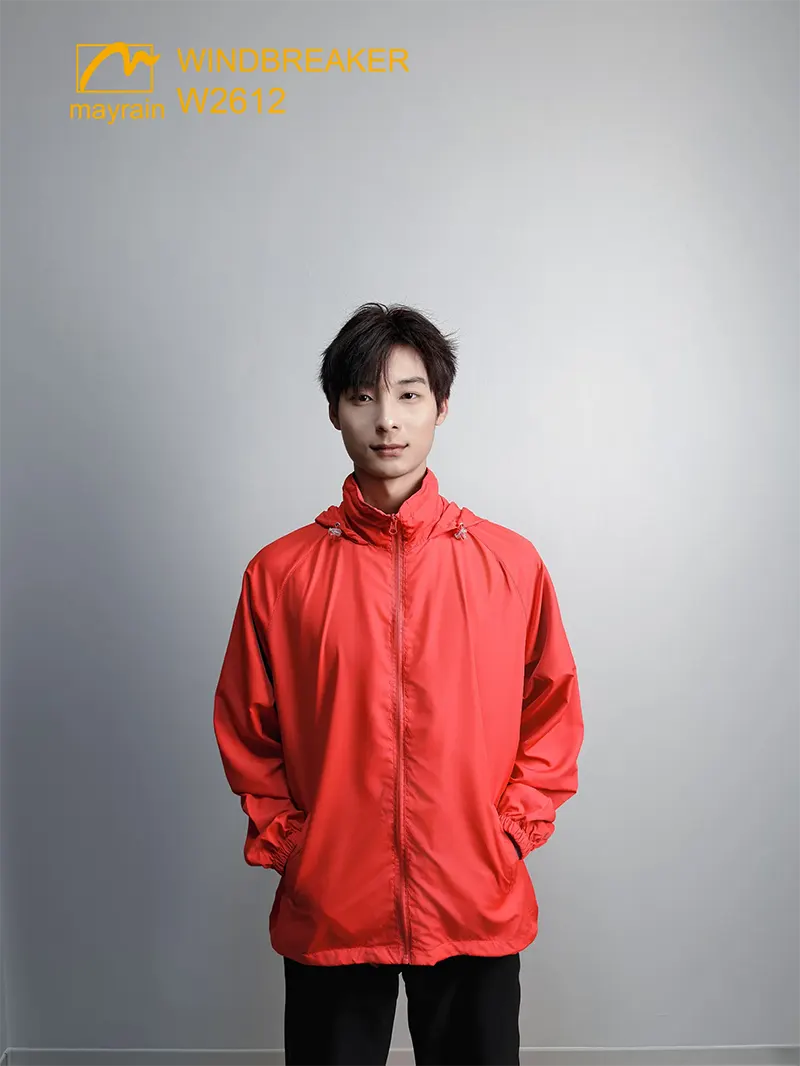
Men's Waterproof Rain Jackets: Reliable Protection Against Rain and Wind
1. Waterproof Materials and Construction in Men's Rain Jackets
The foundation of an effective waterproof jacket is its material. Different fabrics offer different levels of water protection, flexibility, weight, and breathability. Understanding these differences helps buyers choose a jacket that performs well in their intended environment.
A mens pvc rain jacket is a popular option for applications where blocking water is the primary concern. PVC, or polyvinyl chloride, can form a water-resistant or waterproof coating over a suitable fabric base. This coating creates a barrier that prevents rain from passing through the material when the garment is properly constructed. PVC rain jackets are often easy to wipe clean and can be useful for outdoor work, gardening, cleaning tasks, and other activities involving frequent exposure to water.
However, PVC-coated garments may be less breathable than some technical fabrics. During physical activity, body heat and perspiration can accumulate inside the jacket. For this reason, buyers should consider ventilation openings, garment weight, and the intended duration of wear. A PVC jacket may be particularly suitable for wet conditions where strong water protection is more important than high breathability.
A men's rubberized rain jacket offers another approach to water protection. Rubberized materials or coatings help prevent water from penetrating the garment and can be useful in persistently wet environments. The effectiveness of the jacket depends on the coating, seams, closures, and manufacturing quality. Reinforced areas and carefully finished edges can help maintain protection during regular use.
Fabric alone does not determine whether a jacket is fully waterproof. Seams are particularly important because needle holes created during sewing can provide pathways for water. High-quality waterproof jackets may use taped, welded, or sealed seams to reduce leakage. These construction methods are especially valuable around the shoulders, sleeves, and back, where rain may collect or run down the garment.
Zippers and other closures are additional areas that require protection. Water can enter through exposed zipper teeth, pocket openings, or poorly designed front fastenings. A waterproof zipper or a zipper covered by a protective storm flap can help minimize water penetration. Adjustable cuffs reduce the chance of water entering through the sleeves, while a well-designed collar protects the neck.
For buyers comparing mens rainjacket options, it is useful to check product specifications carefully. Some garments are designed primarily for light rain, while others are built for prolonged exposure to wet conditions. Waterproof ratings, when available, can help indicate a fabric's resistance to water pressure. Nevertheless, ratings should be considered alongside seam construction, closure design, and overall garment quality.
Breathability also deserves attention. Technical waterproof jackets may use specialized membranes that prevent liquid water from entering while allowing some water vapor to escape. This can help reduce internal moisture during everyday activities. For intensive outdoor work or walking in humid weather, a breathable design may provide greater comfort than a fully coated but poorly ventilated garment.
By selecting appropriate materials and paying attention to construction details, buyers can find a rain jacket that provides reliable protection against rain while meeting their comfort and durability requirements.
2. Choosing Stylish, Long, and Transparent Rain Jackets for Men
Rain protection does not have to come at the expense of appearance. Modern mens rainjackets come in a variety of silhouettes and designs, allowing men to choose practical outerwear that suits their wardrobes and daily routines. Length, hood design, color, and material all influence the jacket's functionality and appearance.
A men's long rain jacket with hood is particularly useful for people who need additional coverage during wet weather. The longer body helps protect the upper legs and reduces the amount of rain reaching trousers, especially when walking outdoors or waiting for transportation. An attached hood provides additional coverage for the head, while an adjustable drawcord can help create a closer fit in windy conditions. A high collar and storm flap can further reduce water entry around the neck and front closure.
Long jackets are available in different materials, including coated polyester, PVC, and technical waterproof fabrics. When selecting a long design, consider the balance between coverage and freedom of movement. The garment should allow comfortable walking, sitting, and bending without the hem becoming restrictive. Side openings or carefully positioned fastenings can improve mobility in longer styles.
For men who prefer contemporary outerwear, a mens rain jacket stylish design can combine clean lines with practical waterproof features. Neutral colors such as black, navy, gray, and olive are easy to coordinate with everyday clothing. Brighter colors may be useful for improving visibility in gloomy weather, especially when walking near roads or working outdoors. Functional details such as adjustable cuffs, secure pockets, and concealed storm flaps can be integrated without making the jacket look bulky.
A stylish waterproof jacket should still be judged by its protective performance. A fashionable outer surface does not guarantee waterproof seams or reliable closures. Buyers should review the material composition, care instructions, and waterproof specifications before making a decision. The best design is one that matches personal preferences while providing the level of protection required by the weather and activity.
A mens transparent rain jacket offers a different visual style. Transparent or translucent materials allow clothing underneath to remain visible, making these jackets suitable for people who prefer a lightweight, minimal appearance or want to preserve the look of an outfit. Transparent rainwear may be made from PVC or other plastic-based materials, depending on the product. Its actual waterproof performance depends on the material thickness, seams, closures, and construction quality.
Because some transparent materials offer limited breathability, ventilation and garment fit should be considered carefully. The jacket should provide sufficient room for movement without being excessively loose. Buyers should also check whether the material is flexible enough for regular use and whether the manufacturer provides clear cleaning and storage instructions.
When choosing between different men's rain coats & jackets, consider the typical weather conditions and how the garment will be used. A long hooded jacket may be suitable for walking in persistent rain, a lightweight technical jacket may be more convenient for travel, and a coated design may work well for tasks involving frequent water exposure. Matching the material and cut to the intended purpose helps deliver more practical protection.
3. How to Maintain Waterproof Performance and Choose the Right Men's Rain Jacket
Even a well-made rain jacket requires proper care to maintain its protective qualities. Dirt, oils, and detergent residue can affect certain water-repellent finishes, while rough handling may damage coatings or seams. Following the manufacturer's maintenance instructions helps preserve waterproof performance and extend the garment's useful life.
When purchasing a men's rain jacket waterproof design, first consider how much rain protection you need. For occasional light showers, a water-resistant jacket may be sufficient. For prolonged or heavy rainfall, look for a product specifically designed for waterproof use, with suitable seams and protective closures. Checking product details can help distinguish between garments intended for everyday showers and those designed for more demanding wet conditions.
Size and fit also influence protection. A jacket that is too tight may pull at the seams or restrict movement, while an excessively loose jacket can allow wind-driven rain to enter through openings. Adjustable cuffs, hems, and hoods help improve the fit. If the jacket will be worn over sweaters or work clothing, allow enough room for comfortable layering without creating excessive bulk.
Care requirements depend on the material. PVC-coated and rubberized jackets can often be wiped clean with a damp cloth and mild cleaning solution, provided the manufacturer's instructions allow it. Avoid harsh chemicals, abrasive brushes, and excessive heat, which may damage the coating. Technical waterproof fabrics may require machine washing with a suitable detergent and specific drying methods to maintain their performance. Always follow the care label rather than assuming that all rain jackets can be cleaned in the same way.
Proper storage is equally important. After use, allow the jacket to dry thoroughly according to the manufacturer's instructions before storing it. Avoid leaving damp garments compressed in bags for long periods. PVC and rubberized materials should be stored away from excessive heat and sharp objects that could puncture or damage the surface. Periodically inspect seams, zippers, cuffs, and the hood for signs of wear so that small issues can be addressed before they affect protection.
Buyers should also consider how the jacket will be used throughout the day. For commuting and casual activities, a lightweight mens rainjacket may be easy to carry and store. For outdoor work or sustained exposure to heavy rain, a longer design with a durable coating and well-protected closures may be more appropriate. If ventilation is important, a breathable technical fabric may offer a better balance between waterproofing and moisture management than a fully coated material.
Ultimately, choosing the right men's long rain jacket with hood, mens pvc rain jacket, or men's rubberized rain jacket depends on the level of waterproof protection, coverage, and comfort required. A well-designed jacket should keep external moisture out, reduce leakage around seams and closures, and provide enough flexibility for everyday movement. By evaluating materials, construction, fit, and maintenance needs, men can select rainwear that combines dependable waterproof performance with practical style for a wide range of wet-weather conditions.