- 86-311- 88895945
- rainwears@163.com


- Home

- news
Waterproof Rain Ponchos for Men: Full-Coverage Protection for Wet Weather
Rainy weather can make outdoor activities, commuting, camping, fishing, and other daily tasks uncomfortable without suitable protection. A waterproof rain poncho provides a convenient solution by covering the upper body and extending over additional clothing, helping prevent rainwater from soaking through garments. Compared with ordinary jackets, ponchos often offer a loose fit and wider coverage, making them practical for people who need flexible protection in changing weather conditions.
Choosing the right poncho raincoat for men involves considering waterproof materials, garment length, hood construction, sleeve coverage, and overall durability. A well-designed poncho should create a reliable barrier against rain while allowing enough room for comfortable movement. Features such as sealed seams, protective front closures, adjustable hoods, and water-resistant surfaces can help reduce the risk of moisture entering through vulnerable areas.
Men's rain ponchos are available in different sizes, colors, and designs to suit various needs. Lightweight transparent ponchos are convenient for occasional showers, while longer waterproof styles can provide more extensive coverage during outdoor activities. For demanding environments, specialized designs may combine extended coverage with high-visibility features. Understanding these differences helps buyers choose a poncho that offers dependable waterproof protection, practical comfort, and suitable coverage for their intended use.
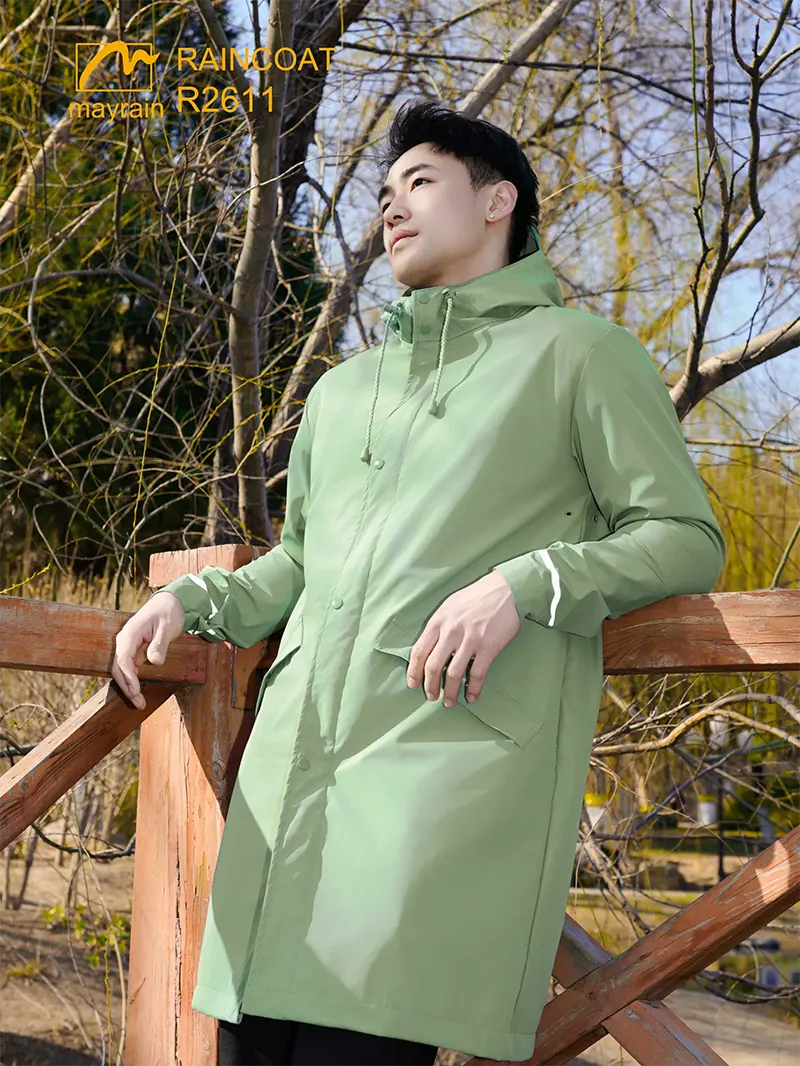
Waterproof Rain Ponchos for Men: Full-Coverage Protection for Wet Weather
1. Waterproof Materials and Essential Features of Men's Rain Ponchos
The main purpose of a rain poncho is to prevent external water from reaching the clothing underneath. Its waterproof performance depends on the material, seams, hood, front opening, and overall construction. Even a poncho made from waterproof fabric may allow water to enter if the seams are poorly finished or the openings do not provide sufficient protection.
A mens long waterproof poncho is a practical choice for people who need extensive coverage during rainy weather. Its extended design helps protect the torso and upper legs, reducing the amount of rain reaching everyday clothing. Longer ponchos can be useful for walking, camping, fishing, and outdoor events where continuous exposure to rainfall is possible. However, the length should still allow safe walking and movement without creating a tripping hazard or interfering with nearby equipment.
Material selection is particularly important. Many ponchos are manufactured from PVC, polyethylene, coated polyester, or other synthetic waterproof materials. PVC and polyethylene can provide an effective barrier against liquid water when the material and construction are suitable. Coated polyester may offer a balance of durability, flexibility, and portability. The best choice depends on how frequently the poncho will be used, the expected rainfall, and the level of breathability required.
A long poncho raincoat should also feature reliable seam construction. Stitched seams may contain small openings that allow water to pass through during prolonged exposure. Some waterproof garments use taped, welded, or otherwise sealed seams to reduce leakage. These features are particularly useful around the shoulders and hood, where rainwater can collect or run down the surface. A carefully designed front opening can further reduce water entry through buttons, snaps, or zippers.
The hood is another important component. A men's rain poncho with hood helps protect the head and neck from direct rainfall. An adjustable drawcord or suitable fastening can improve the fit and reduce gaps around the face. The hood should provide adequate coverage without obstructing peripheral vision. When wearing a poncho during cycling or other activities requiring good visibility, the hood must not interfere with head movement or safety equipment.
Sleeve construction can also improve protection. A long sleeve rain poncho provides additional coverage around the arms compared with a sleeveless design. Depending on the product, sleeves may feature elastic cuffs, adjustable fasteners, or a loose cut that allows comfortable movement. These details help reduce water entering through the arm openings while maintaining flexibility.
Waterproofness should not be confused with water resistance. A water-resistant poncho may repel brief showers but may not provide sufficient protection during prolonged or heavy rain. Buyers should review product specifications and look for clear descriptions of the material, seam construction, and intended conditions of use. A well-designed waterproof poncho combines suitable material with construction that minimizes water entry across the entire garment.
2. Choosing the Right Length, Size, and Design for Different Needs
The ideal rain poncho should match the wearer's body size, activity, and desired level of coverage. Because ponchos are generally designed with a loose silhouette, they can accommodate different layers of clothing. However, selecting the right dimensions is essential for ensuring that the garment provides protection without restricting movement.
A big man rain poncho is designed to provide additional room for broader shoulders, larger body measurements, or heavier clothing underneath. A generous cut can make it easier to move the arms, bend, and walk comfortably. When shopping for larger sizes, buyers should check the actual garment measurements rather than relying only on general size labels. The poncho should cover the torso adequately while maintaining enough freedom of movement for everyday activities.
A mens long rain poncho provides extended coverage that can help keep clothing dry during steady rainfall. This design is especially useful for walking outdoors, attending sporting events, camping, and traveling. Longer styles may cover more of the thighs and can provide additional protection over backpacks or layered clothing, depending on their dimensions. However, excessive length can make walking difficult, so the poncho should be selected according to the wearer's height and intended activity.
For men who prefer a hooded design with a familiar jacket-like appearance, a mens rain poncho hoodie offers a practical option. The hood helps shield the head from rain, while the loose body provides room for clothing underneath. Some designs feature front fastenings, pockets, or side openings that improve convenience. Buyers should check whether these openings have protective flaps or other features intended to reduce water penetration.
A mens clear rain poncho is useful when visibility of the clothing underneath is preferred. Transparent or translucent materials can create a lightweight, simple appearance and may be convenient for concerts, festivals, sightseeing, and unexpected showers. Many clear ponchos are designed for occasional use and portability. Their waterproof performance depends on the material thickness, construction, and closure design, so buyers should not assume that every transparent poncho is suitable for prolonged heavy rain.
For work environments or outdoor activities where visibility is important, a mens long hooded safety rain jacket waterproof emergency raincoat poncho may combine extended coverage with high-visibility colors or reflective details. Such designs can be useful for emergency preparedness, roadside tasks, outdoor maintenance, or situations where rain protection and visibility are both priorities. Buyers should check whether the product meets any relevant workplace visibility requirements rather than relying on appearance alone.
When choosing a poncho, consider how it will be worn with other equipment. A backpack-compatible design may offer additional space across the back, while a compact emergency poncho may prioritize easy storage. If the poncho will be used during windy weather, secure fastenings and adjustable features can help reduce excessive movement. Loose fabric should be kept away from bicycle wheels, machinery, and other moving components.
The most suitable design is one that provides enough coverage for the expected conditions while remaining comfortable and practical. By comparing length, sizing, hood design, sleeve coverage, and material specifications, buyers can select a poncho that meets their individual requirements.
3. How to Maintain Waterproof Performance and Use Rain Ponchos Effectively
Proper use and maintenance can help extend the service life of a waterproof poncho. Although many synthetic materials are designed to resist rain, repeated folding, abrasion, exposure to heat, and improper cleaning can gradually affect their condition. Regular inspection and appropriate storage help maintain protection and reduce the likelihood of unexpected leakage.
Before purchasing a mens long waterproof poncho, consider how frequently it will be used and how much rain it needs to withstand. For occasional showers, a lightweight, packable design may be sufficient. For frequent outdoor use, a more durable material with well-constructed seams and secure closures may be a better investment. Product descriptions should provide clear information about the material, dimensions, cleaning instructions, and intended use.
After wearing a poncho in the rain, shake off excess water and allow it to dry completely according to the manufacturer's instructions. Avoid storing it while wet for extended periods, as trapped moisture can lead to unpleasant odors and may affect some materials. Keep the poncho away from sharp objects that could puncture the waterproof surface, and avoid excessive heat that might deform or damage plastic-based fabrics.
Cleaning methods depend on the material. Many coated ponchos can be wiped with a soft cloth and mild cleaning solution if permitted by the manufacturer. Avoid abrasive brushes, harsh chemicals, and solvents that may damage the waterproof coating. For transparent ponchos, gentle handling is particularly important because some thin plastic materials can tear or develop creases when folded tightly. Always follow the care label instead of applying the same cleaning method to every type of rainwear.
Inspect seams, fastenings, hood attachments, and the fabric surface regularly. Small tears or damaged closures can reduce the garment's ability to keep water out. If repairs are possible, use materials and methods compatible with the original fabric. For disposable emergency ponchos, replacement may be more practical when the material becomes damaged.
Comfort and safety should also be considered when using a poncho outdoors. A loose garment can catch the wind, making movement more difficult in exposed areas. In strong winds, secure any available fastenings and avoid wearing a design that excessively billows. When walking near traffic, choose colors or reflective details that improve visibility. During cycling or when using machinery, make sure loose fabric cannot become entangled with moving parts, and choose purpose-designed rainwear when a conventional poncho would create a safety risk.
For emergency preparedness, keeping a compact poncho raincoat for men in a backpack, vehicle, or travel bag can be a convenient way to prepare for unexpected rain. A longer design may provide more extensive coverage, while a lightweight transparent model can be useful when portability is the main priority. For prolonged rainfall, combine the poncho with suitable waterproof footwear and other protective clothing to reduce water exposure.
Ultimately, the best men's rain poncho with hood should provide reliable waterproof protection, comfortable coverage, and a design suited to the intended activity. Whether choosing a long sleeve rain poncho, a big man rain poncho, or a mens clear rain poncho, buyers should focus on material quality, seam protection, hood construction, appropriate length, and ease of maintenance. With the right features and proper care, a waterproof poncho can be a practical solution for staying drier and more comfortable in wet weather.