- 86-311- 88895945
- rainwears@163.com


- Home

- news
Waterproof Rain Ponchos for Men: Full-Coverage Protection for Wet Weather
Cycling is a practical way to commute, exercise, and explore the outdoors, but rainy weather can quickly make a ride uncomfortable. Without suitable protection, rainwater may soak through everyday clothing, while wind and road spray can leave riders feeling cold and distracted. A high-quality waterproof cycling raincoat helps create a protective barrier against moisture, allowing cyclists to continue their journeys with greater comfort in changing weather conditions.
Choosing the right rain coat for men waterproof for bike use requires more than selecting a jacket that looks suitable. Reliable waterproof performance depends on the fabric, seam construction, zipper protection, adjustable cuffs, and overall garment design. A well-designed raincoat should prevent external water from penetrating the material while allowing enough breathability to reduce moisture buildup caused by perspiration. These features are particularly important for men who cycle regularly to work, travel longer distances, or ride in areas with frequent rainfall.
Modern cycling rainwear combines practical protection with lightweight materials and rider-friendly construction. From a compact jacket for daily commuting to a durable raincoat for longer outdoor rides, the right product can help protect clothing against rain and road spray. Understanding the essential features of waterproof cycling apparel makes it easier to choose a raincoat that suits different riding environments and weather conditions.
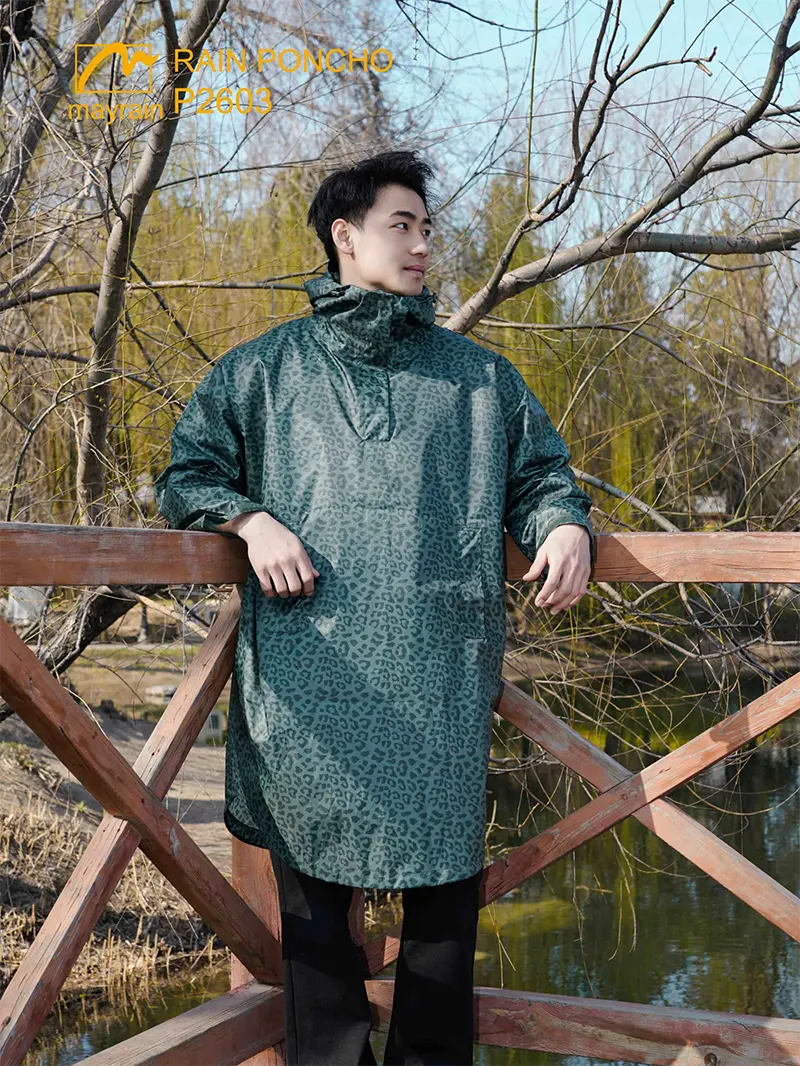
Waterproof Raincoats for Bike Riders: Reliable Protection for Cycling in Wet Weather
1. Waterproof Materials and Construction for Bike Raincoats
The most important function of a cycling raincoat is to prevent rainwater from reaching the clothing underneath. However, true waterproof performance depends on the complete garment rather than the outer fabric alone. Materials, seams, zippers, cuffs, and hems must work together to minimize water entry during a ride.
When choosing a rain coat men bike design, start by examining the fabric. Many cycling raincoats use waterproof coatings or specialized membranes that prevent liquid water from passing through the material. These fabrics are designed to resist rain while remaining flexible enough for movement on the bicycle. Some products also have a durable water-repellent finish that encourages water droplets to bead on the surface and roll away.
It is important to distinguish water resistance from waterproof protection. Water-resistant fabrics may handle light showers or brief exposure, but prolonged rainfall can eventually penetrate the material. A waterproof raincoat is generally a better choice for riders who regularly travel in wet conditions. When available, manufacturer specifications such as waterproof ratings can help buyers compare fabrics, although the garment's construction also affects real-world performance.
Seam sealing is another critical factor. Stitching creates tiny holes in fabric, and these openings can allow water to enter even when the main material is waterproof. High-quality raincoats may use taped or sealed seams to reduce leakage, particularly around the shoulders, sleeves, and back. These areas can receive substantial exposure to rain when the cyclist is riding in an open environment.
Zippers and openings also need protection. An exposed front zipper can become a weak point during heavy rainfall. Water-resistant zippers, protective storm flaps, and carefully designed pocket closures can help reduce water penetration. Adjustable cuffs help limit water entering through the sleeves, while a higher collar can provide additional coverage around the neck. A longer back panel is especially useful because it helps protect the lower back when the rider leans forward over the handlebars.
A practical rain coat men for bike use should also offer an appropriate fit. A jacket that is too tight may restrict arm movement, while an excessively loose garment can flap in the wind and allow rain to enter through gaps. Adjustable cuffs, hems, and waist features can help create a more secure fit without compromising comfort.
Breathability should not be overlooked. Cycling generates body heat and perspiration, particularly during uphill sections or longer rides. If moisture becomes trapped inside the jacket, the rider may feel damp even when rainwater has not penetrated the fabric. Breathable membranes, ventilation openings, and moisture-management features help improve comfort by allowing excess heat and water vapor to escape.
By combining waterproof materials, sealed seams, protective closures, and a suitable fit, a cycling raincoat can provide more consistent protection against changing weather conditions.
2. Choosing Rain Gear for Bicycle Riders and Daily Commuting
Different cycling activities require different levels of rain protection. A short journey through the city may involve only brief exposure to showers, while a longer commute or outdoor ride can leave the cyclist exposed to rain for an extended period. Selecting suitable rain gear for bicycle riders starts with considering journey length, weather conditions, riding intensity, and the amount of coverage needed.
For everyday commuting, a lightweight waterproof jacket is often a practical option. It should be easy to put on, comfortable over regular clothing, and compact enough to carry in a backpack or bicycle bag. A raincoat that dries efficiently after use can also be convenient for riders who cycle to work every day. Protective pockets may help keep small items dry, although phones, documents, and other sensitive belongings should still be placed in waterproof storage when necessary.
A rain coat with bike commuting in mind should accommodate the cyclist's riding position. Regular raincoats designed for walking may leave the lower back exposed when the wearer bends forward. Cycling-specific designs often feature a longer rear hem, sleeves shaped for extended arms, and adjustable details that maintain coverage during movement. These features help prevent rain from reaching clothing through exposed areas.
The lower body also requires attention. Rainwater can splash upward from wet roads, while water running down a jacket may soak trousers and shoes. Waterproof cycling trousers can provide additional protection, and overshoes can help reduce moisture entering footwear. Bicycle mudguards are useful because they reduce the amount of water sprayed from the wheels onto the rider. During prolonged or heavy rain, combining several protective items is usually more effective than relying on a jacket alone.
When selecting rain wear for bike use, consider how the garment performs in the local climate. In warm and humid weather, lightweight fabrics and effective ventilation may be priorities. In colder conditions, a waterproof outer layer can be worn over insulating clothing to provide protection from rain and wind. Layering allows riders to adjust their clothing as temperatures change without requiring a bulky raincoat.
Visibility is another important consideration. Rain, cloudy skies, and low-light conditions can make cyclists less noticeable to drivers. Reflective strips, bright colors, and strategically placed reflective panels can improve visibility. A hood should not obstruct peripheral vision or interfere with a properly fitted helmet. Some raincoats accommodate a helmet beneath the hood, while others work better with a separate waterproof cap or helmet cover.
Durability matters for frequent commuters. Strong stitching, reliable zippers, reinforced areas, and abrasion-resistant materials can help a raincoat withstand regular use. Buyers should also check washing instructions and maintenance requirements before purchasing. A garment that is easy to clean and store is often more practical for everyday cycling.
The best commuting rainwear balances waterproof protection, breathability, freedom of movement, and convenience. By matching the garment to the expected weather and riding routine, cyclists can stay better prepared for wet journeys.
3. How to Select and Maintain a Waterproof Raincoat for Bike Riders
Choosing a suitable raincoat bike rider garment involves evaluating waterproof performance, fit, weight, and long-term durability. Riders who travel short distances may prioritize compactness and quick access, while those who cycle for extended periods may need more comprehensive protection against sustained rainfall and wind.
A reliable raincoat for bike riders should offer sufficient coverage in the actual riding position. Before purchasing, check the length of the back panel, sleeve coverage, collar height, and adjustment options. The jacket should allow the rider to reach the handlebars comfortably and turn the head without excessive pulling or restriction. Loose drawstrings and excess fabric should be secured away from moving bicycle components.
For men who frequently commute or ride in wet weather, a raincoat for men on bike should combine a comfortable fit with practical waterproof details. A high collar and adjustable cuffs can reduce water entry, while a storm flap over the zipper provides another layer of protection. A longer rear hem helps cover the lower back, and a suitable hood or helmet-compatible design can offer additional protection when the weather changes unexpectedly.
Product specifications can help buyers compare options. A waterproof rating, when provided, indicates how much water pressure a fabric can withstand under specified testing conditions. Breathability ratings describe how effectively moisture vapor can pass through the material. Higher figures can be useful for comparison, but they should not be the only deciding factors. Seam sealing, garment construction, ventilation, and fit also influence how comfortable and protective a raincoat feels during actual cycling.
Maintenance is essential for preserving waterproof performance. Dirt, sweat, and detergent residue may affect certain water-repellent finishes over time. Always follow the manufacturer's care instructions and use cleaning products suitable for the fabric. Avoid fabric softeners if the manufacturer advises against them, as they can interfere with some technical finishes. When recommended by the manufacturer, an appropriate water-repellent treatment may help restore the outer fabric's ability to shed water.
After riding in the rain, allow the raincoat to dry thoroughly according to its care instructions before storing it. Avoid leaving damp clothing compressed in a bag for long periods. Regularly inspect seams, zippers, cuffs, and other high-wear areas for damage. Repairing small problems early may help extend the garment's useful life and maintain its protective performance.
It is also important to understand that waterproof clothing cannot eliminate every risk associated with cycling in bad weather. Wet roads may reduce tire grip and increase braking distances. Riders should reduce speed, leave more space between themselves and other road users, use functioning bicycle lights, and take extra care on painted road markings, metal covers, and standing water. A waterproof raincoat improves comfort, but safe riding habits remain essential.
Ultimately, choosing the right rain coat for men waterproof for bike use means prioritizing dependable materials, sealed seams, secure closures, and a fit designed for cycling. Whether you need a practical rain coat men bike commuting option or comprehensive rain gear for bicycle riders for longer journeys, the best raincoat should keep rain out while helping manage body heat and moisture. With proper selection and care, waterproof cycling apparel can provide lasting protection and make riding in wet weather more comfortable.